 LIVSHO
Going live on Kino: our own WebRTC stack in C
How a frame gets from a seller's camera to every viewer's screen in about 150 ms: WHIP and WHEP on our own ICE, DTLS and SRTP, a pacer and bandwidth estimator, a jitter buffer timed by the speaker, ICE over TCP when UDP is blocked, and sessions that move from Wi-Fi to cellular without a handshake.
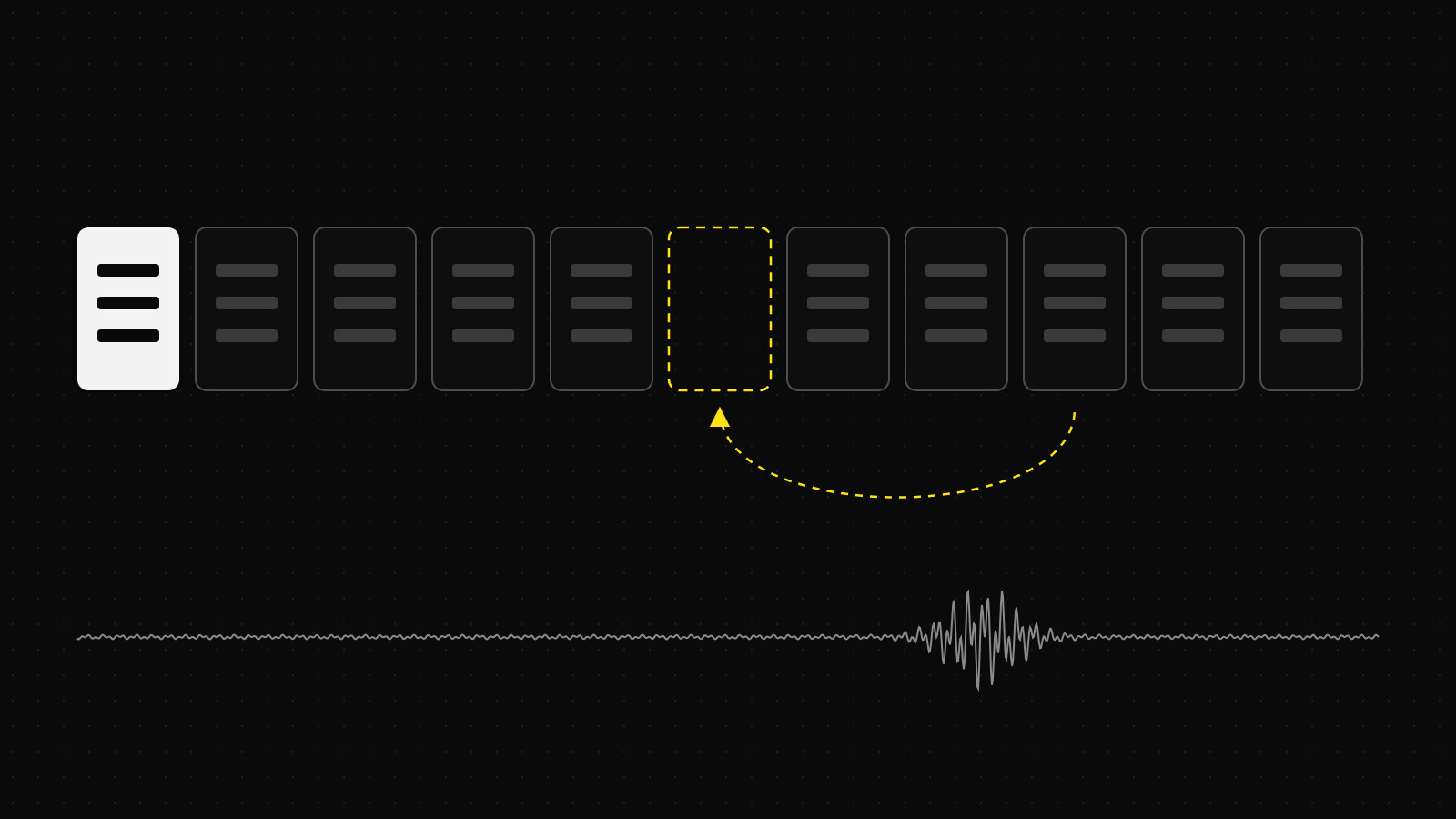
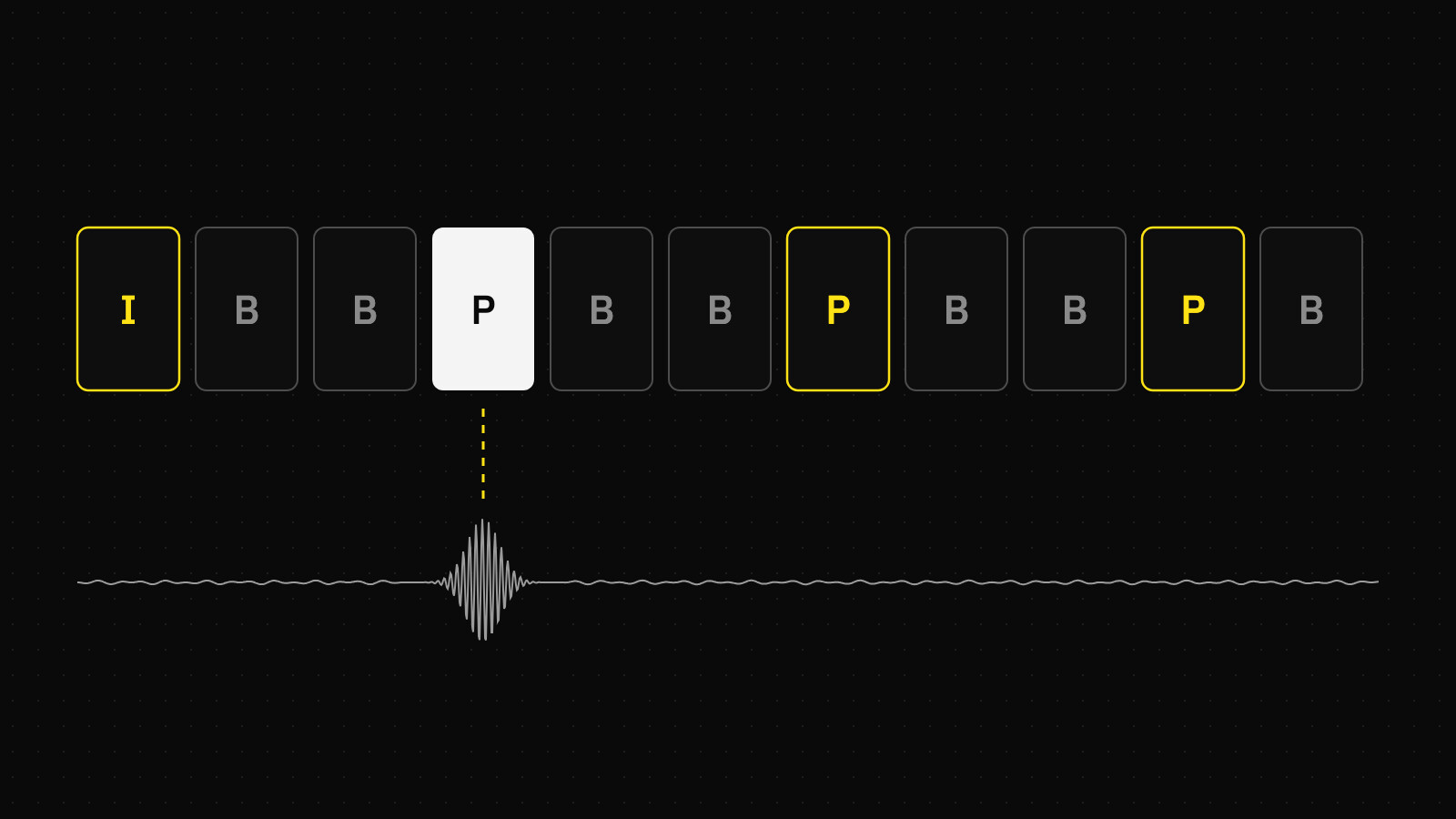
Kino: the C engine that plays, scrubs and re-encodes every video on Livsho
One engine in C, both directions: a clock taken from the speaker, a byte store every player shares, scrubbing and 2× speed that never stall the picture, 22 container formats, and a transcoder that makes iPhone and Android uploads come out the same.

We wrote a video codec to beat H.264
fdv is a from-scratch video codec in one 8,482-line C header, and the plan is to tune it for exactly what a Livsho show looks like: a still room, a product held up to the camera, and a hand that never stops moving.
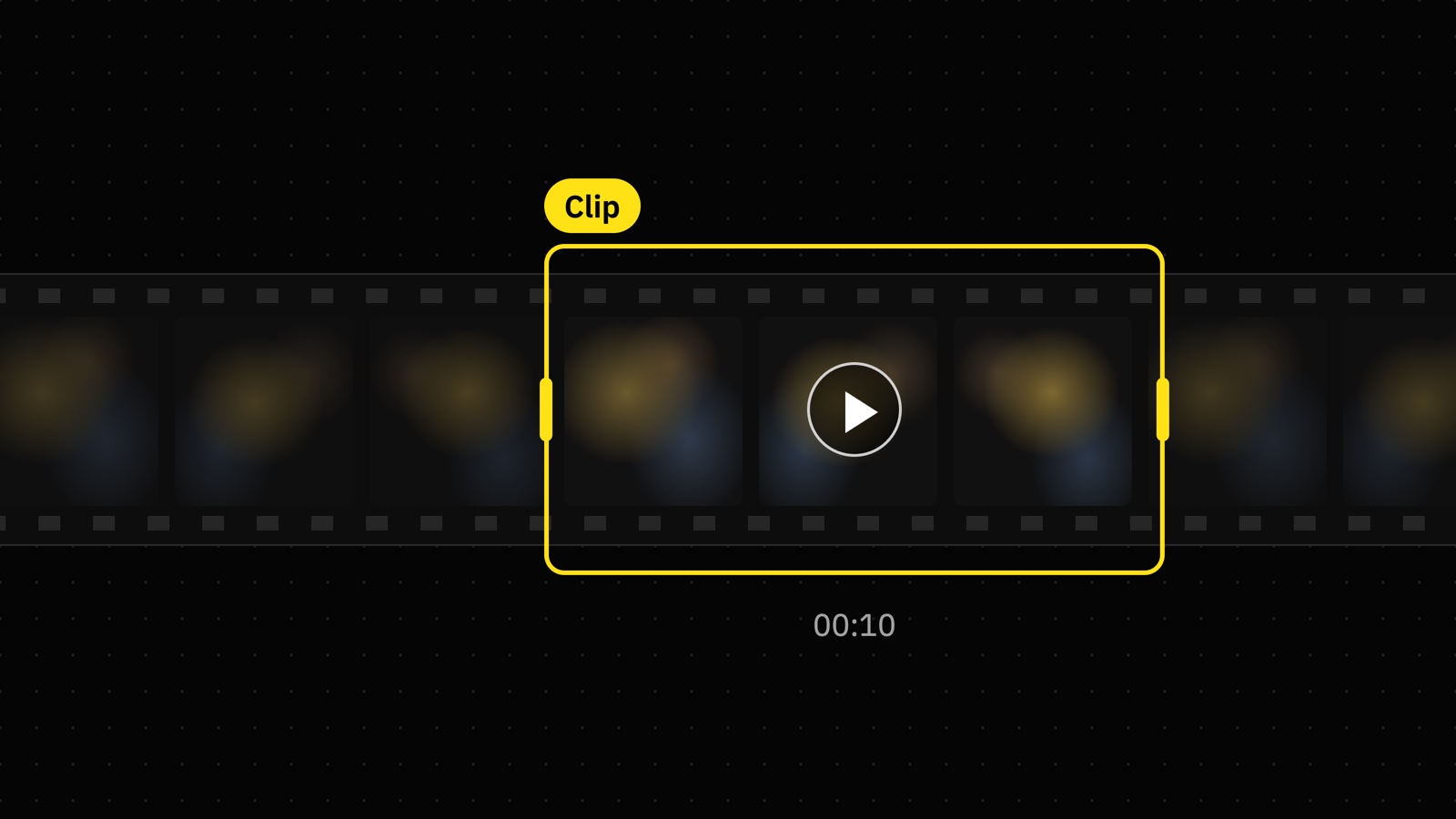
How we taught the app to film itself
Inside the Clip button, a single 4,000-line C program: a hand-written RTMP server, libav without re-encoding, our app's own engine rendering headless on Vulkan, NVENC, and a million videos expected in its first year.